Moths, Organized Enough, Kitchen Staples
Welcome friends and readers:
It has been awhile! I have heard it said that clutter represents unmade decisions - Do I want this? Do I need this? Where should I keep it? - and it struck a chord. In this new year, I have been working on seeking out what I want more of and letting what isn’t serving me go. In my favorite weekly newsletter, James Clear wrote "Your thoughts and actions belong to you just like your possessions. Every so often, it helps to declutter—donate old clothes or clear out a crowded shelf. Maybe it's time to let go of some unhelpful thoughts or outdated actions too?" His words reminded me that the physical clutter around us often mirrors the mental clutter we carry. Just as an overflowing closet of clothes we no longer wear weighs down our living space, old worries, rigid expectations, and habits we've outgrown can weigh down our inner lives. This year, I'm learning that letting go isn't about loss—it's about making room for what matters most. Here are a few things I have been thinking about (and dealing with) lately…
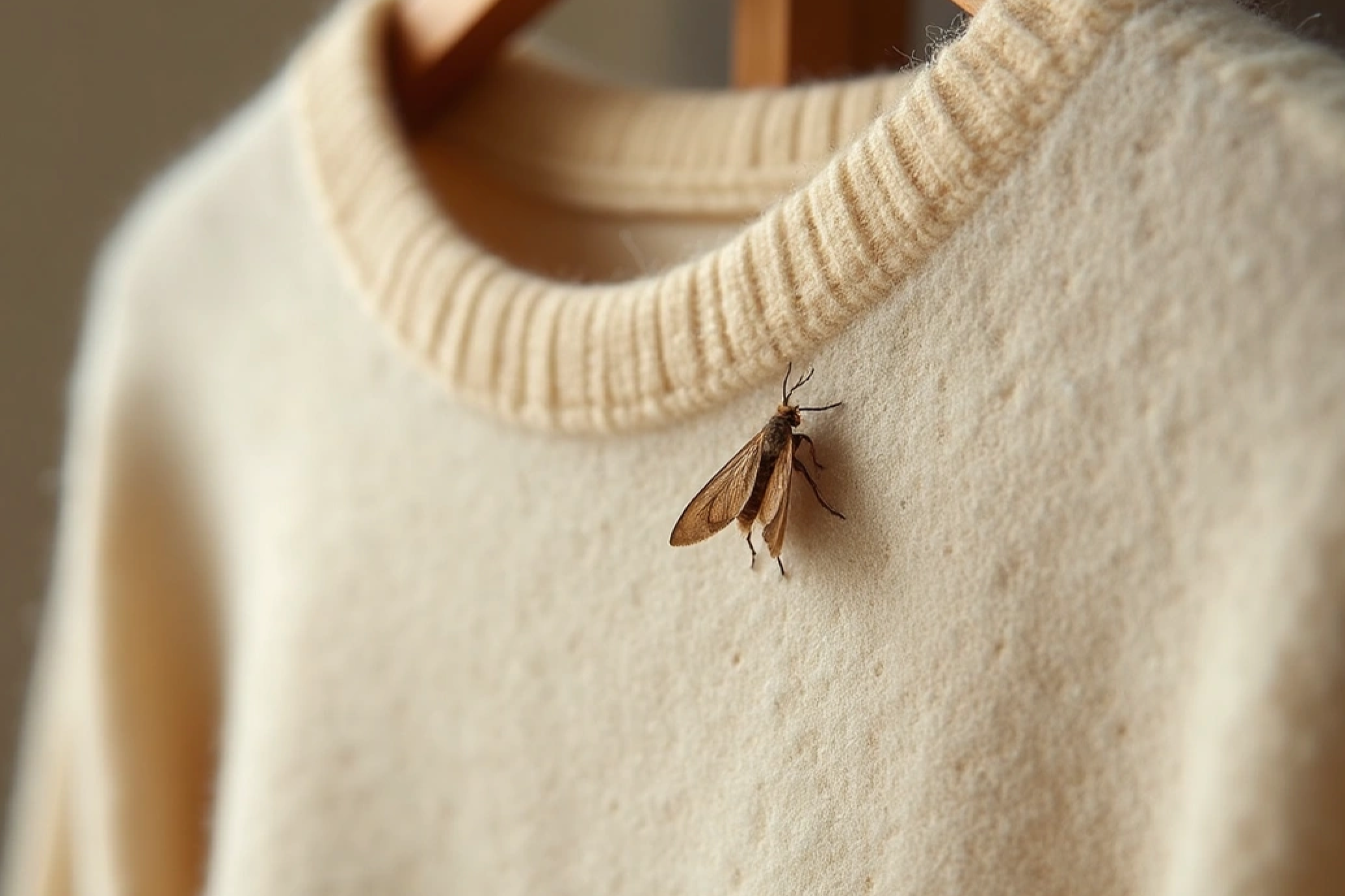
This winter, we had an unwelcome house guest—the webbing clothes moth. I have no idea where they came from or how long they'd been hiding, but I discovered their presence the hard way: pulling out a sweater riddled with holes. Like encountering any pest, my first reaction was to panic. How many sweaters are ruined? Are they in every closet? Do they eat all fibers? DO I NEED TO THROW EVERYTHING OUT? Fortunately, only a handful of sweaters were damaged, and the moths seem to be gone now. But during many sleepless nights of research and worry, I learned a few important things worth sharing. Moths are attracted to dark, warm, undisturbed spaces. When an item on which they are resting is moved, they run quickly for cover. Infestations often start when woolens are stored in dark places and left undisturbed for long periods of time. In our case, the sweaters we wore least—buried at the bottom of the stack—were the ones that suffered damage. Everything in heavy rotation was perfectly fine. The takeaway? Don't keep sweaters you're not actually going to wear! Moths are also attracted to “dirty” clothes- those that have body oils or food. While cleaning all of your sweaters at the end of the season once seemed indulgent, I will now make sure I do. To eliminate the moths we needed to either dry clean, wash on hot, or freeze all potentially affected items. Additionally, all closets were thoroughly vacuumed and washed down. In terms of prevention, there are pheromone traps you can place in your closet to alert you to their presence. While cedar and herbal scents may help repel them, they're unlikely to be effective on their own. And if you're storing woolens, furs, or feathers, make sure they're sealed tightly in plastic storage bins—not just tucked away in a drawer.
Organized Enough
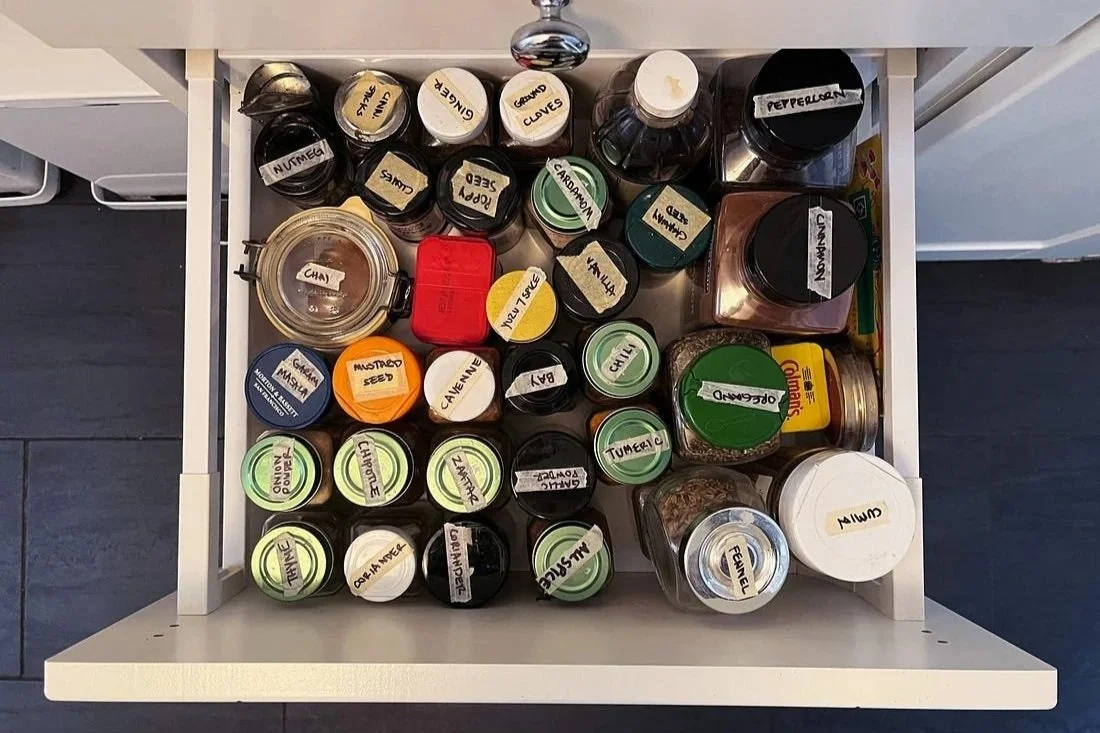
At some point, nearly every client asks me a version of the same question: “Is your house really organized?” My answer is always yes — with a caveat. My children are grown and no longer live at home. Closets that once overflowed with toys, clothes, and keepsakes now neatly hold linens and formal wear. There are fewer dishes, less laundry, and far less paperwork. When I tidy a room, it tends to stay that way. That doesn’t mean my home was disorganized when my children were young. It was simply organized enough. Organized enough that everyone could find their shoes and hats. Organized enough that toys fit into their bins. Organized enough that everyday clutter could be tucked behind closed doors at the end of a long day. I believe this idea of being “organized enough” is one of the true secrets to a harmonious home. Organization reduces the friction of busy living. Having a designated place for keys or incoming mail removes small but constant daily stressors. But when standards become too rigid or perfection becomes the goal, organization can start to feel exhausting — and eventually unsustainable. Sometimes a handwritten label on a piece of tape is all the organization you have time for. An organized home isn’t always the one that looks perfect. It’s the one that works for you — shaped by your space, your time, and the realities of your life.
Kitchen Staples
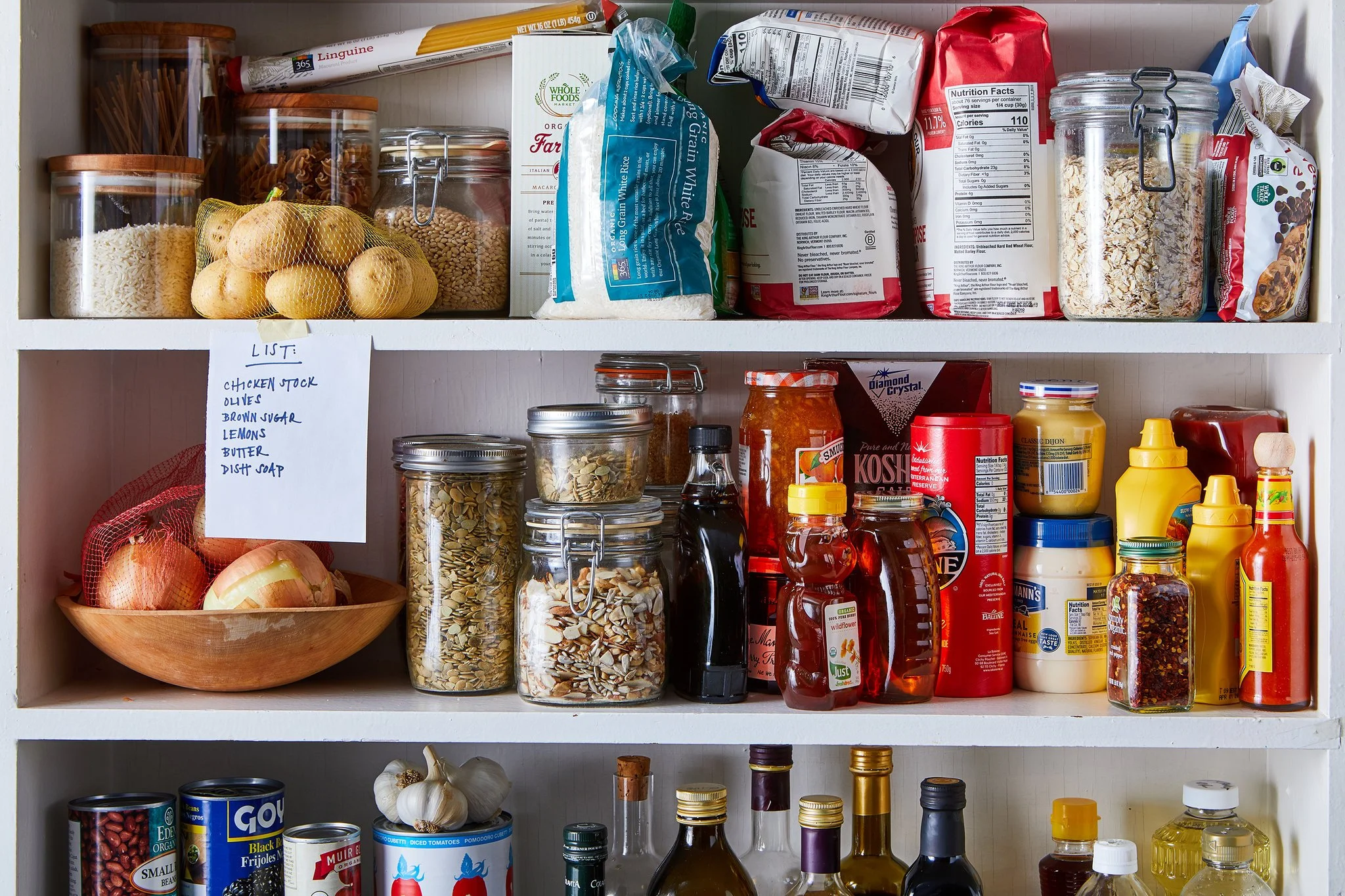
When I’m organizing a kitchen, conversation often turns to pantry storage — where things should live and how long they should stay there. Some clients prefer to toss anything the moment it hits its expiration date. Others are perfectly comfortable holding onto spices from Thanksgiving 2020 — no judgment! The truth is, very few pantry items last forever. While buying in bulk can save money, it's worth knowing which staples have staying power and which don't. To help you keep ingredients fresh and know when it's time to restock, here are some guidelines from Cook's Illustrated:
Spices
Whole- 2 years
Ground and Dried- 1 year
Heat, light and moisture shorten their life
Oil
Unopened- 1 year
Open- 3 months
Store all oil in pantry, except sesame and walnut, which should be stored in the fridge
Soy Sauce
1 year
Can be stored in pantry or fridge
Vinegar
Can last indefinitely due to acetic acid
Granulated Sugar, Honey and Molasses
Long lasting
Store granulated sugar in an airtight container in the pantry
Maple Syrup
Unopened- 2 years
Opened- 1 year
Store in refrigerator if opened
Baking Powder and Baking Soda
Opened- 6 months despite manufacturer’s claims of over a year
Yeast
Observe expiration date and store in the freezer
Flour
All purpose- 1 year
Whole Wheat and Cornmeal- 1 year in the freezer
Transfer flour into an airtight container
Vanilla
Long lasting
Store in a tightly sealed container away from light and heat